Pickleball is the fastest-growing sport in America — and it's not slowing down. The Sports & Fitness Industry Association reports over 48 million players in the US as of 2025, up from 8.9 million in 2022. Dedicated pickleball facilities are opening faster than operators can build them, and the ones that get it right are printing money.
Starting a pickleball business isn't just about laying down courts and hoping people show up. The venues that thrive combine smart real estate decisions, multiple revenue streams, community building, and technology that makes booking and operations seamless. This guide covers every step — from market research and business planning to opening day and long-term growth.
The Pickleball Market Opportunity in 2026
The numbers tell the story. Pickleball participation grew over 400% between 2020 and 2025. That's not a pandemic blip — it's a structural shift in how Americans spend recreational time. The sport attracts everyone from retirees looking for low-impact exercise to competitive 20-somethings who treat it like a social event.
Here's what makes pickleball especially attractive as a business:
- High court turnover — Games last 15–25 minutes, meaning one court can serve 4–6 groups per hour versus 1 for tennis
- Lower space requirements — A standard pickleball court is 20×44 feet — you can fit 4 pickleball courts in the space of one tennis court
- Broad demographics — Players range from age 10 to 80+, meaning your addressable market is massive
- Strong community dynamics — Pickleball players are social — they form leagues, attend clinics, and bring friends. One player becomes five
- Multiple revenue streams — Court rentals, leagues, lessons, pro shop, F&B, events, memberships, and corporate bookings
The market isn't saturated yet. Most metro areas have 2–3x more demand than available court time. If you can secure the right location and build a quality facility, the customers are already looking for you.
Pickleball Business Models: Which One Fits You?
Not every pickleball business looks the same. Your model depends on your budget, location, and target market.
Dedicated Indoor Facility
This is the premium play. Purpose-built indoor facilities with 8–16 courts, climate control, spectator areas, a pro shop, and food and beverage. Startup costs range from $500,000 to $2 million depending on location and build-out, but the revenue ceiling is highest. Indoor facilities operate year-round regardless of weather, which makes financial projections more reliable.
Outdoor Court Complex
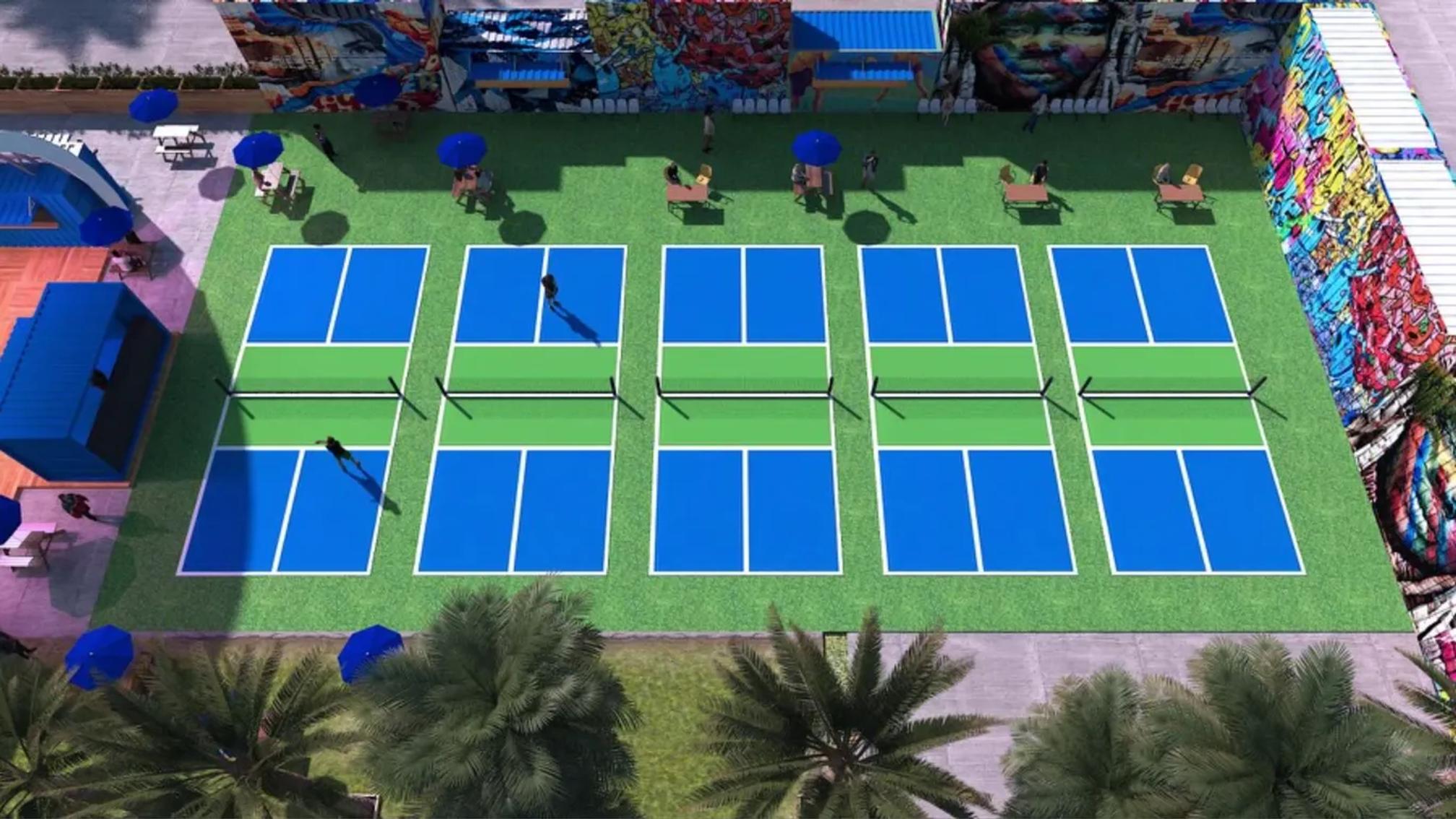
Lower startup costs ($150,000–$600,000) but weather-dependent. Works best in Sun Belt markets — Florida, Arizona, Texas, Southern California. Outdoor venues offset weather risk with covered courts or retractable roofs, though that adds $50,000–$100,000 per court.
Conversion Play
Converting underused tennis courts, racquetball clubs, or warehouse spaces into pickleball facilities. This is the fastest and cheapest path — $50,000 to $200,000 depending on how much renovation is needed. Many tennis clubs are already doing this as pickleball demand outpaces tennis at their facilities.
Hybrid Venue / Eatertainment
Pickleball as one activity within a larger entertainment venue — combined with a restaurant, bar, lounge, or other activities like axe throwing or bowling. This model maximizes revenue per square foot and keeps guests longer. Concepts like Chicken N Pickle and Electric Pickle have proven the model at scale.
Writing Your Pickleball Business Plan
A solid business plan isn't optional — you need it for financing, partnerships, and to pressure-test your own assumptions. Here's what yours should cover:
Market Analysis
- Local demand — How many pickleball players are in your target area? Check local Facebook groups, Meetup.com, and USA Pickleball's Places2Play directory for existing activity
- Competition — Map every existing court within 30 minutes of your planned location — public parks, recreation centers, private clubs, and other dedicated facilities
- Demographic fit — Match your concept to local demographics. A premium indoor facility works in affluent suburbs. A no-frills outdoor complex works near retirement communities
- Waitlists and court utilization — If nearby facilities have waitlists or courts booked out days in advance, that's your signal — unmet demand exists
Financial Projections
Here's a realistic financial model for a 12-court indoor facility:
- Startup costs — $800,000–$1.5 million (lease build-out, courts, HVAC, furniture, technology, initial marketing, working capital)
- Monthly rent — $15,000–$40,000 depending on market (you need 25,000–40,000 sq ft for 12 courts plus amenities)
- Monthly operating costs — $30,000–$60,000 (staff, utilities, insurance, maintenance, marketing, software)
- Revenue potential — $80,000–$180,000/month at mature occupancy (court rentals, memberships, lessons, leagues, F&B, events)
- Break-even timeline — 12–18 months for a well-located facility with strong programming
- Target margins — 20–35% net margin at maturity, driven by membership revenue and high court utilization
The key variable is court utilization. At 60% average utilization across all hours, the math works. Below 40%, you're burning cash. Above 75%, you need to raise prices or expand.
Choosing the Right Location
Location makes or breaks a pickleball business. The wrong space in the right area beats the right space in the wrong area — but ideally, you get both.
Space Requirements
- Minimum footprint — 15,000 sq ft for a 6-court facility, 30,000+ sq ft for 12 courts with full amenities
- Ceiling height — At least 18 feet for indoor facilities — 20+ feet is ideal. Lob shots need clearance. This eliminates most standard retail spaces
- Column spacing — Wide column spacing is critical. Columns in the middle of a court are a non-starter
- Flooring — Concrete slab preferred — you'll overlay with sport court surfaces. Avoid buildings with below-grade or raised floors
- Parking — Minimum 3 spots per court. A 12-court facility needs 40+ spaces. Evening league nights will fill every one
- HVAC capacity — 12 courts of active play generate enormous heat. Budget for upgraded HVAC or plan for it in your build-out
Location Strategy
- Proximity to players — Within 15 minutes of your target demographic. For suburban facilities, think near shopping centers, gyms, or residential clusters
- Visibility and signage — High-traffic road frontage helps. Pickleball facilities tucked in industrial parks can work but require heavier marketing spend
- Lease terms — Negotiate a 10-year lease with options. You're investing $500K+ in build-out — a short lease is a terrible deal. Push for tenant improvement allowances
- Zoning — Verify recreational/entertainment use is permitted before signing anything. Some commercial zones restrict sports facilities
Designing Your Facility for Maximum Revenue
Court layout matters, but what you build around the courts matters more for revenue.
Court Setup
- Surface options — SportMaster, PickleRoll, and Laykold are the most popular indoor surfaces. Budget $8,000–$15,000 per court for surface and lines
- Net systems — Permanent post-and-sleeve systems are cleaner than portable nets and signal a premium facility. $500–$1,500 per court
- Lighting — LED high-bay fixtures at 50+ foot-candles on the playing surface. Poor lighting is the #1 complaint at budget facilities. Budget $3,000–$5,000 per court
- Sound management — Pickleball is loud. Acoustic panels on walls and ceiling reduce noise bleed between courts and improve the overall experience. Budget $10,000–$20,000 for the facility
- Divider systems — Retractable curtain dividers between courts for private lessons and events. $2,000–$4,000 per divider
Revenue-Driving Amenities
- Pro shop — Paddles, balls, grips, bags, apparel. A well-stocked pro shop adds $3,000–$8,000/month in revenue with 40–50% margins
- Food and beverage — Even a basic bar and snack counter changes the dynamic. Players stay longer, spend more, and treat the facility as a social hub. F&B can represent 20–35% of total revenue
- Lounge and spectator area — Comfortable seating with court views. This is where non-players (spouses, friends) hang out — and spend on F&B
- Locker rooms — Showers and lockers signal a premium experience and support the before-work and lunch-hour crowd
- Event space — A flexible area for corporate events, birthday parties, and tournaments adds high-margin revenue
Technology and Booking Systems
The right technology stack eliminates operational headaches and unlocks revenue you'd otherwise miss.
Online Booking System
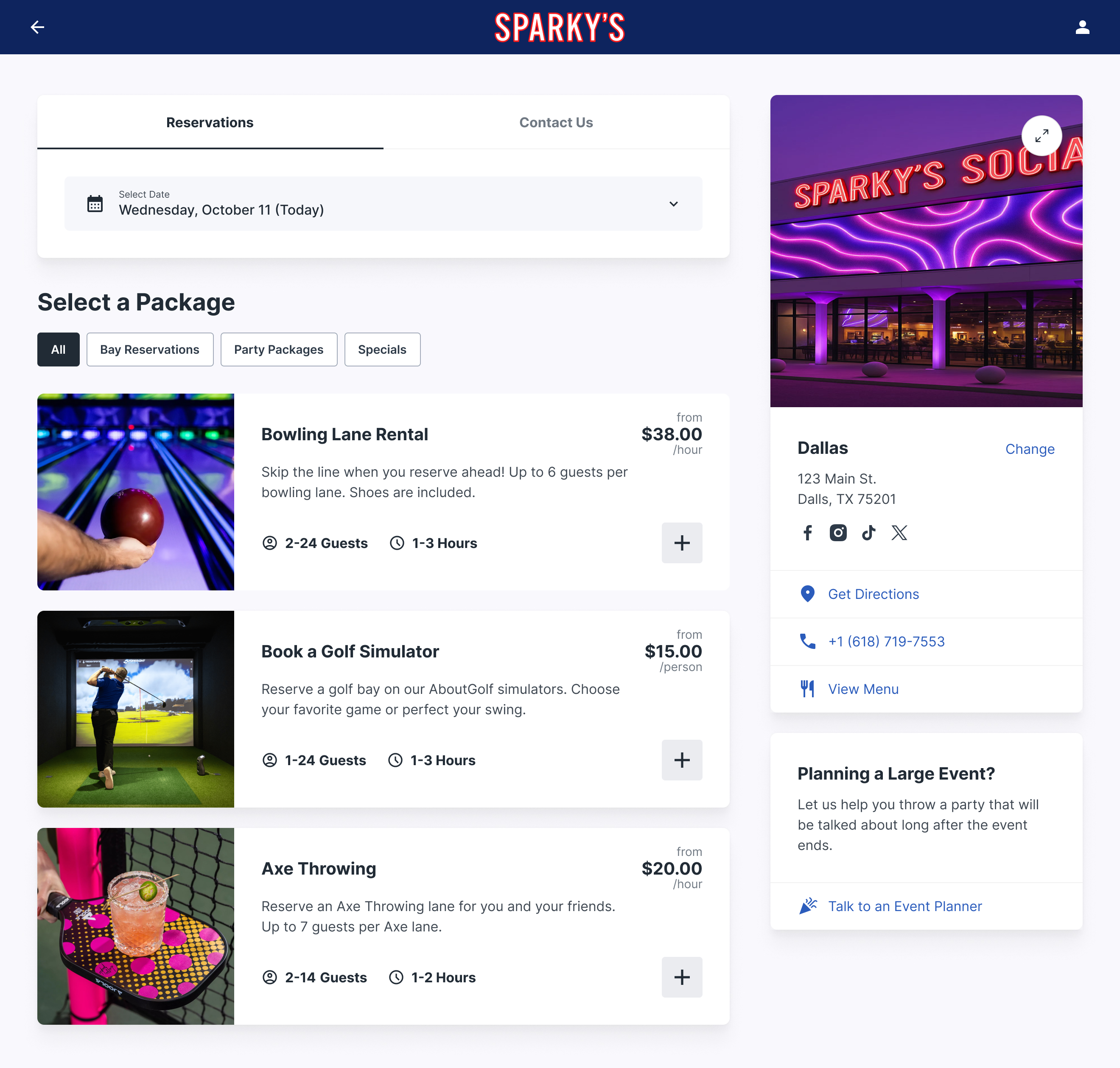
This is non-negotiable. Players expect to book courts from their phone — checking availability, selecting a time, and paying in under 60 seconds. A good booking system handles:
- Real-time availability — Players see exactly which courts are open and book instantly
- Dynamic pricing — Charge more for peak hours (evenings, weekends) and less for off-peak. This smooths demand and maximizes revenue per court hour
- Membership management — Recurring billing, member-only booking windows, and usage tracking
- League and clinic scheduling — Recurring reservations, waitlists, and roster management
- Party and event booking — Online packages with deposits, add-ons, and automated confirmations
- Waivers and check-in — Digital waivers at booking and self-service check-in at the venue
Platforms built for activity-based entertainment venues — like Rex — handle all of this out of the box, including dynamic pricing, membership programs, and party booking. The key is choosing a system that's built for multi-court, multi-activity venues — not a generic calendar tool.
Additional Technology
- Court management displays — Screens at each court showing current reservation, time remaining, and next booking. Reduces disputes and keeps play moving
- POS system — Integrated point-of-sale for pro shop and F&B. Square, Toast, or GoTab work well for venue environments
- Camera/streaming system — Court cameras for live streaming and recording. Players love sharing highlights. This drives organic social media content
- Wi-Fi — Reliable, fast Wi-Fi throughout the facility. Players stream music, post on social, and need connectivity for booking apps
Revenue Streams and Pricing Strategy
The best pickleball businesses don't rely on a single revenue source. Here's how to build a diversified revenue model:
Court Rentals
Your bread and butter. Typical pricing:
- Peak hours (5–9 PM weekdays, weekends) — $40–$70 per court per hour
- Off-peak hours — $25–$40 per court per hour
- Open play sessions — $10–$20 per person for a 90-minute session (mixed-level drop-in play)
Use dynamic pricing to optimize revenue. Charge premium rates when demand is highest and discount slow periods to drive utilization. Even a 10% improvement in off-peak bookings can add $5,000–$10,000/month to revenue.
Memberships
Memberships create predictable recurring revenue and lock in your best customers. Structure tiers:
- Basic ($49–$79/month) — Discounted court rates, advance booking window (book 7 days ahead vs. 3 for non-members)
- Premium ($99–$149/month) — Unlimited off-peak play, deeper discounts on peak, guest passes, pro shop discounts
- VIP/Unlimited ($199–$299/month) — Unlimited play all hours, priority booking, free clinics, locker assignment
Target: 200–400 members within 12 months. At an average of $100/month, that's $20,000–$40,000 in recurring monthly revenue before anyone books a court.
Lessons and Clinics
- Private lessons — $60–$120 per hour (you keep 30–50% if using contract pros)
- Group clinics — $25–$40 per person, 4–8 players per session
- Beginner programs — 4-week intro series at $120–$200 per player — these convert beginners into members
Leagues
Leagues are the engine of community and retention. A well-run league program:
- Revenue — $100–$200 per player per 8-week season
- Utilization — Fills 4–8 courts on otherwise slow weeknight evenings
- Retention — League players have the highest membership renewal rates — they're committed to a team and a schedule
- Social proof — League nights are your best marketing. Full courts, energy, competition — players bring friends to watch
Events and Tournaments
- In-house tournaments — $50–$100 entry fee per player, 32–64 player brackets, monthly or quarterly
- Corporate events — $1,500–$5,000 per event for team building packages with catering
- Birthday parties — $300–$600 per party (2 hours, court time, food, pro instruction)
- Sanctioned tournaments — USA Pickleball or PPA-affiliated events that draw regional players and put your facility on the map
Food and Beverage
Even a simple operation adds significant revenue:
- Bar — Beer, wine, cocktails, sports drinks. Average per-visit F&B spend at pickleball facilities: $8–$15
- Food — Keep it simple — wraps, salads, acai bowls, protein snacks. Players want quick, healthy options between games
- Margins — 65–75% on beverages, 55–65% on food. A facility doing $15,000/month in F&B is adding $10,000+ in gross profit
Staffing Your Facility
A 12-court facility needs a lean but capable team:
- General Manager — 1 full-time. Handles operations, staff, financials, and partnerships. $55,000–$85,000/year
- Front desk / booking staff — 2–3 part-time. Cover check-in, pro shop, and phone/email inquiries. $15–$18/hour
- Teaching pros — 2–4 contract pros for lessons and clinics. Pay per session or revenue share (typically 50/50 to 60/40 in the facility's favor)
- F&B staff — 1–2 per shift if running a bar/kitchen. $12–$16/hour plus tips
- Maintenance — 1 part-time for court upkeep, cleaning, and minor repairs. $15–$18/hour
- League coordinator — Can be the GM initially, but as you scale past 100 league players, this becomes its own role
Total payroll for a 12-court facility: $15,000–$30,000/month depending on your market and operating hours. Keep it lean early — you can add staff as revenue justifies it.
Marketing Your Pickleball Business
The good news: pickleball markets itself better than almost any other venue type. The sport has built-in virality — players recruit players. Your job is to accelerate that.
Pre-Launch (3–6 Months Before Opening)
- Build an email list — Landing page with "Join the waitlist" — collect names, emails, and what they're looking for (leagues, open play, lessons)
- Social media presence — Instagram and Facebook are where pickleball communities live. Post construction progress, court design decisions, and behind-the-scenes content
- Local pickleball groups — Join every Facebook group, Meetup, and local pickleball association. Introduce yourself, share your timeline, ask what players want in a new facility
- Founding memberships — Offer discounted founding member rates (20–30% off) to your waitlist. This generates cash before you open and creates a committed community on day one
Post-Launch
- Free intro clinics — The #1 way to convert non-players into paying customers. Run free 1-hour beginner clinics every Saturday for the first 3 months
- Referral program — Members get a free month (or guest passes) for every friend who signs up. Pickleball players are evangelical — give them a reason to recruit
- Google Business Profile — Claim and optimize your GBP immediately. Most court bookings start with a Google search. Add photos, hours, booking link, and respond to every review
- Local partnerships — Partner with gyms, real estate agents, senior centers, corporate HR teams, and physical therapy clinics. Offer group rates or co-branded events
- Content marketing — Blog about pickleball strategy, facility design, local tournament recaps. SEO-driven content brings in players who don't know you exist yet
- Tournament hosting — Hosting sanctioned tournaments puts your facility on the competitive map and drives players from neighboring markets
Legal, Licensing, and Insurance
- Business entity — LLC or S-Corp. Consult a business attorney for your state's requirements
- Zoning permits — Confirm recreational/entertainment use is allowed at your location. Some commercial zones restrict sports facilities or have noise ordinances
- Building permits — Required for any structural modification, HVAC work, or change of use. Budget 4–8 weeks for permit approval
- Liquor license — If serving alcohol, apply early — processing times range from 30 days to 6+ months depending on your state and municipality
- General liability insurance — $2,000–$5,000/year. Essential for a sports facility. Get coverage for participant injuries, property damage, and slip-and-fall incidents
- Participant waivers — Every player signs a liability waiver before stepping on a court. Digital waivers at booking time are the cleanest solution
- Music licensing — If you play music in your facility (you will), you need ASCAP, BMI, and SESAC licenses. Budget $1,000–$2,000/year combined
- ADA compliance — Your facility must be accessible. Ensure wheelchair access, accessible restrooms, and designated parking spaces
Your Opening Timeline: Month by Month
Here's a realistic timeline from decision to opening for an indoor facility:
- Months 1–2: Planning — Business plan, financial model, entity formation, site search begins
- Months 2–4: Site selection — Tour spaces, negotiate lease, confirm zoning, sign lease
- Months 4–6: Design and permits — Architect plans, permit applications, contractor selection, equipment ordering
- Months 6–9: Build-out — Construction, court installation, technology setup, furniture, signage
- Month 9: Pre-launch — Staff hiring and training, soft opening for founding members, system testing, final inspections
- Month 10: Grand opening — Public launch, free clinics, media outreach, league registration opens
Total timeline: 8–12 months from starting the business plan to opening day. A conversion project (existing courts or warehouse) can be done in 4–6 months.
Common Mistakes to Avoid
- Underestimating build-out costs — Add 20% to your initial budget as a contingency. HVAC, acoustic treatment, and permitting delays always cost more than expected
- Ignoring sound management — Pickleball is inherently loud. Facilities that don't invest in acoustic treatment lose customers (and get noise complaints from neighbors)
- No booking system from day one — Paper sign-up sheets and phone reservations don't scale. If players can't book online before you open, you're leaving money on the table
- Relying only on court rentals — Court rentals alone won't hit your revenue targets. You need memberships, programming (leagues, clinics), and ancillary revenue (pro shop, F&B) from the start
- Skipping the community phase — Building demand before you open is free. Skipping it means a slow, expensive first 6 months of trying to fill courts
- Too many courts, not enough amenities — A 16-court facility with no lounge, no food, and no pro shop is a gym — not a destination. Build the experience around the courts
Frequently Asked Questions
How much does it cost to start a pickleball business?
Startup costs range from $50,000 for a basic court conversion to $2 million for a premium 12–16 court indoor facility. A typical dedicated indoor venue with 8–12 courts, basic F&B, and a pro shop costs $500,000–$1.2 million including lease build-out, courts, equipment, technology, and working capital for the first 6 months.
Is a pickleball business profitable?
Yes — well-run facilities see net margins of 20–35% at maturity. A 12-court indoor facility can generate $1–$2 million in annual revenue with $200,000–$600,000 in annual profit. The key drivers are court utilization (aim for 60%+), membership revenue, and ancillary income from F&B, lessons, and events. Most facilities reach profitability within 12–18 months.
Do I need pickleball experience to open a facility?
You don't need to be a competitive player, but you need to understand the sport and its community. Visit 5–10 existing facilities, play regularly for at least a few months, and hire experienced teaching pros. Many successful facility owners come from business, real estate, or hospitality backgrounds — not competitive pickleball. The business acumen matters more than your DUPR rating.
Indoor or outdoor — which is better?
Indoor facilities have higher startup costs but generate more consistent revenue year-round. Outdoor facilities are cheaper to build but face weather risk and seasonal revenue swings. In Sun Belt markets, outdoor can work well. In markets with cold winters or heavy rain, indoor is almost always the better investment. Hybrid models with covered outdoor courts offer a middle ground.
How many courts do I need to be profitable?
Most successful dedicated facilities have 8–16 courts. Fewer than 6 courts makes it difficult to cover fixed costs and offer diverse programming (you can't run leagues and open play simultaneously). The sweet spot for a first facility is 10–12 courts — enough to support multiple programs with room to grow utilization before needing to expand.
What's the best booking software for a pickleball facility?
Look for a platform built for multi-court, activity-based venues — not a generic calendar tool. Key features to evaluate: real-time online booking, dynamic pricing, membership management, league scheduling, party/event booking, and POS integration. The system should handle the complexity of court assignments, mixed programming, and peak/off-peak pricing without requiring staff to manage it manually.
Open Your Pickleball Facility with the Right Technology
The best pickleball venues run on systems built for activity-based entertainment — not generic booking calendars or spreadsheets. Rex handles online court booking, dynamic pricing, memberships, leagues, party packages, and POS integration so you can focus on building the community. Book a free demo and see how Rex powers pickleball facilities across the country.