Axe throwing has gone from a backwoods pastime to one of the fastest-growing segments in competitive socializing. What started as a novelty at Canadian bars has become a legitimate entertainment business model, with venues popping up across North America.
If you're considering opening an axe throwing business, this guide walks you through everything: startup costs, space requirements, equipment, safety, licensing, marketing, and how to build a venue that actually makes money.
Why Axe Throwing Is a Strong Business Opportunity
The competitive socializing market continues to expand as consumers shift spending from material goods to experiences. Axe throwing fits perfectly into this trend — you can't replicate it at home, it works for groups of all sizes, and it pairs naturally with food and beverage.
Unlike bowling alleys or indoor golf simulators, axe throwing venues have relatively low startup costs and a small physical footprint. The business model also benefits from strong group booking demand:
- Corporate team building — reliable weekday revenue from companies looking for unique outings
- Birthday and bachelor/ette parties — premium-priced group packages with high margins
- Leagues — weekly recurring revenue that builds a loyal community
- Walk-in sessions — fills gaps between group bookings
Startup Costs: What to Budget
Plan to invest between $150,000 and $400,000 to open an axe throwing venue, depending on your market and build-out scope. Here's the typical breakdown:
- Lease and build-out — $60,000–$150,000. Security deposit, rent, and converting raw space into throwing lanes. Warehouse and industrial spaces are ideal.
- Equipment and targets — $15,000–$40,000. End-grain lumber targets, throwing axes, lane dividers, safety barriers. Targets wear out every 2–4 weeks.
- Insurance — $5,000–$15,000/year. General liability with activity-specific coverage. Non-negotiable.
- Licensing and permits — $2,000–$10,000. Business license, occupancy permits, liquor license if applicable.
- Technology and POS — $3,000–$10,000. Point of sale, online booking and reservation software, scoring systems, website.
- Marketing and launch — $5,000–$20,000. Website, social media, grand opening promotion, initial ad spend.
- Working capital — $30,000–$60,000. Three to six months of operating expenses for the ramp-up period.
Choosing Your Location
Location can make or break an axe throwing business. Here's what to prioritize:
- Space — 2,500 to 5,000 sq ft minimum for 6–10 lanes. Each lane needs ~40 feet of depth and 4–5 feet of width, plus reception and lounge areas.
- Ceiling height — At least 12 feet, ideally 14+. Overhead throws are part of the experience.
- Zoning — Verify entertainment/recreational use is permitted. Some municipalities have axe-throwing-specific requirements.
- Parking — Group bookings are your bread and butter — adequate parking matters. Urban locations benefit from transit proximity.
- Co-tenancy — Being near restaurants, bars, or other entertainment creates natural foot traffic.
Equipment and Lane Setup
Your throwing lanes are the core of the business. Get these right:
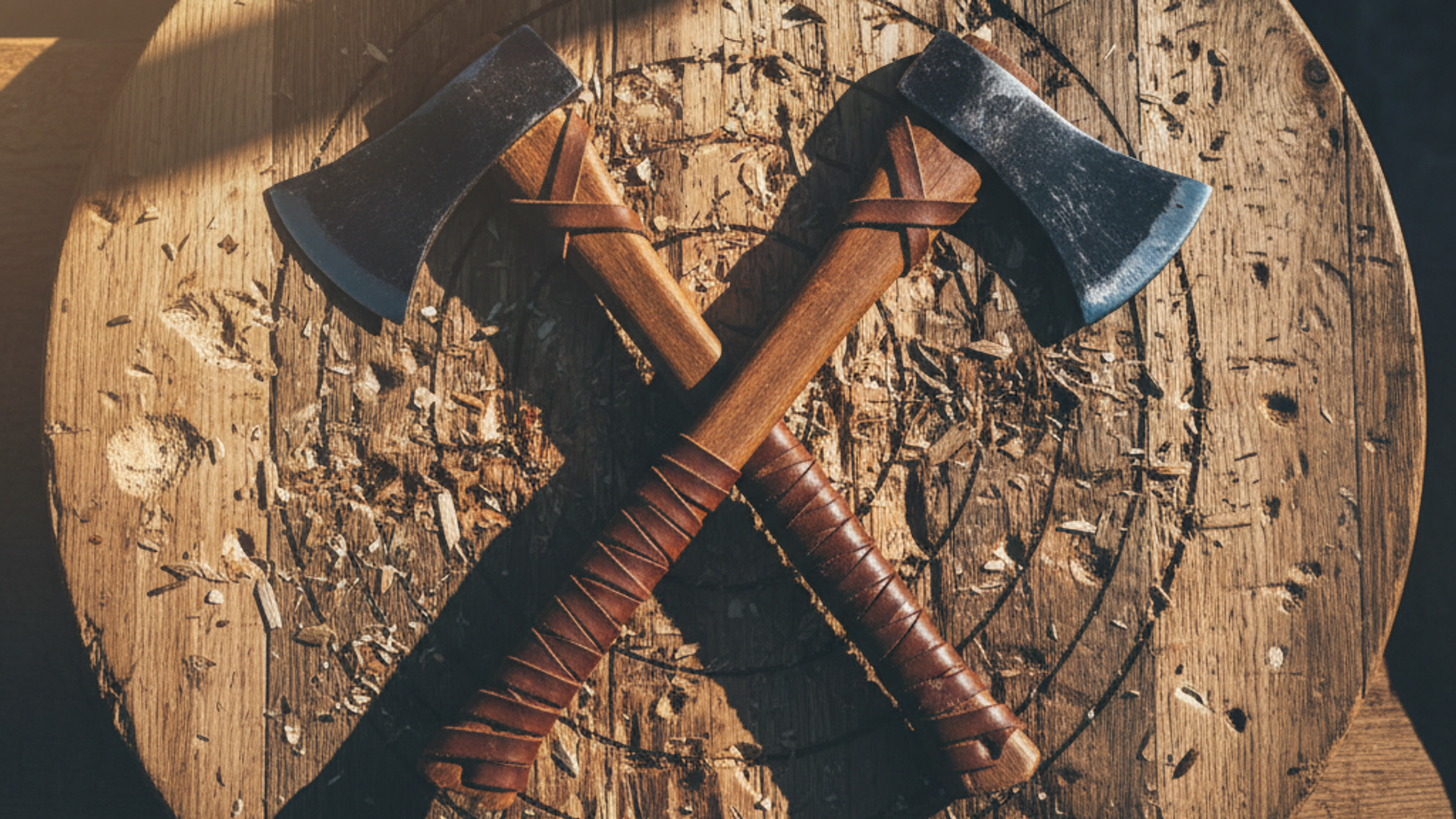
- Targets — End-grain wood is the industry standard — softer, so axes stick more easily. Replace every 2–4 weeks. Buying lumber in bulk and building in-house cuts costs.
- Axes — Stock a variety from beginner hatchets to competition-weight. Budget 3–4 per lane in rotation, plus replacements for broken handles.
- Safety barriers — Chain-link fencing or heavy-duty netting between lanes. This is a safety and liability issue — invest in quality.
- Scoring — Options range from manual (coach-tracked) to digital systems. Digital adds a competitive element that increases engagement and repeat visits.
- Atmosphere — Exposed brick, wood accents, neon signage, targeted lighting on lanes. This is an experience business — vibe matters.
Safety, Insurance, and Liability
You're running a venue where people throw sharp objects. Safety protocols need to be airtight:
- Mandatory waivers — Every participant signs a digital liability waiver before throwing — ideally during the online booking process, not at the door.
- Trained coaches — One coach per 2–3 lanes. They handle safety briefings, technique instruction, and lane supervision.
- House rules — No open-toed shoes. No throwing while intoxicated. Clear lane boundaries. Posted prominently and enforced consistently.
- Insurance — $5,000–$15,000 annually for general liability with activity-specific coverage. Work with a broker experienced in recreation businesses.
- Alcohol policy — Many venues limit alcohol to the lounge area and restrict it in throwing lanes. Reduces risk and insurance costs.
Staffing Your Venue
Axe throwing is a high-touch business. Your staff is a huge part of the experience:
- Throwing coaches — Your most important hires. Outgoing, safety-conscious, good at teaching beginners. Most are part-time, scheduled by booking volume.
- Front desk — Handles walk-ins, check-ins, payments, and schedule management. A solid reservation system reduces labor needed here.
- Bar staff — If you serve F&B — bartenders and potentially kitchen staff. F&B can represent 30–40% of total revenue.
- Management — Start as owner-operator with one assistant manager. Hire a full-time GM once consistently profitable.
Revenue Streams and Pricing
Successful venues don't rely on a single revenue stream:
- Walk-in and reservation sessions — $25–$45 per person for 60–90 minutes. Group rates for parties of 8+.
- Corporate events — $40–$60 per person with catering packages. Highest-margin bookings, often during off-peak weekday hours.
- Leagues — Weekly axe throwing leagues create predictable recurring revenue. League members become your best referral source.
- Private events — Birthday parties, bachelor/ette parties, holiday events. Bundle lane time, food, and beverages at a premium.
- Food and beverage — Simple bar with beer, wine, cocktails, and shareable food. Can represent a third or more of total revenue.
- Merchandise — Branded t-shirts, hats, axes. Lower margin but builds brand awareness.
Marketing Your Axe Throwing Business
Axe throwing markets itself better than most entertainment businesses — it's inherently shareable on social media. But you still need a deliberate strategy:
- Online booking — Non-negotiable. Most bookings come through your website. Make it frictionless — clear pricing, available slots, book and pay without calling.
- Google Business Profile — Optimize aggressively. Photos, reviews, hours, regular posts. Many customers find you through "axe throwing near me."
- Social media — Instagram and TikTok are your platforms. Encourage tagging. Run UGC promotions. Short-form video is perfect for axe throwing.
- Corporate outreach — Proactively reach HR departments and event planners. Corporate bookings are highest-value and lead to repeat business.
- Grand opening — Invest in a strong launch. Invite local media, influencers, and businesses for free sessions.
Technology and Booking Systems
Running an axe throwing business without a proper booking system is like running a restaurant without a POS. You need technology that handles:
- Online reservations — Customers see availability, select sessions, and pay online. Walk-ups are fine but revenue predictability comes from advance bookings.
- Waiver management — Digital waivers integrated into the booking flow save time at check-in.
- Group and event management — Corporate events and parties need custom packages, deposits, and multi-lane bookings.
- Capacity management — Know exactly how many lanes are booked, when coaches are needed, and where gaps exist.
- Payment processing — Integrated payments for deposits, full payments, tips, and F&B tabs from one system.
If you're evaluating booking platforms for your axe throwing venue, Rex is built specifically for entertainment venues and handles all of the above.
Frequently Asked Questions
How much does it cost to open an axe throwing business?
Plan to invest between $150,000 and $400,000 depending on your market, build-out scope, and whether you include food and beverage. The biggest costs are lease and build-out ($60K–$150K), working capital ($30K–$60K), and equipment ($15K–$40K).
Is axe throwing a profitable business?
Yes, when managed well. Per-person session pricing of $25–$45, combined with corporate events ($40–$60/person), leagues, and food and beverage revenue creates multiple income streams. Most venues reach profitability within 12–18 months.
How much space do I need for an axe throwing venue?
A minimum of 2,500 to 5,000 square feet for 6–10 lanes. Each lane needs roughly 40 feet of depth and 4–5 feet of width, plus space for a reception area, lounge, and optionally a bar. Ceiling height should be at least 12 feet, ideally 14 or more.
Do I need a liquor license for an axe throwing business?
Only if you plan to serve alcohol. Many successful venues do serve beer, wine, and cocktails — food and beverage can represent 30–40% of total revenue. Some venues restrict alcohol to the lounge area and prohibit it in throwing lanes to reduce liability.
What insurance do I need for an axe throwing venue?
General liability insurance with activity-specific coverage is required, typically costing $5,000–$15,000 per year. Work with a broker experienced in recreation and entertainment businesses. You will also need all participants to sign liability waivers.
How many staff do I need to run an axe throwing business?
Start with one throwing coach per 2–3 lanes, a front desk person, and yourself as owner-operator. If you serve food and beverage, add bar staff. Scale up to an assistant manager and eventually a full-time GM once consistently profitable.
Ready to Launch Your Axe Throwing Venue?
Starting an axe throwing business is one of the more accessible paths into the entertainment venue industry. Low startup costs, strong group demand, and natural social media virality give you a solid foundation.