Summer is the single biggest revenue window for entertainment venues. Between Memorial Day and Labor Day, foot traffic surges, party bookings spike, and every open lane, bay, or court has the potential to generate significantly more revenue than any other quarter. The operators who prepare now — while there is still time to staff up, optimize pricing, and lock in group bookings — are the ones who capture that wave instead of scrambling through it.
Whether you run a bowling center, family entertainment center, indoor golf facility, or multi-activity venue, these seven strategies will help you extract maximum revenue from every summer visitor who walks through your door.
1. Launch Dynamic Pricing Before the Rush Hits
If you are still charging the same rate at 7 PM on a Saturday as you do at 2 PM on a Tuesday, you are leaving money on the table. Dynamic pricing adjusts rates based on demand — higher prices during peak hours and weekends, lower prices to fill slow periods.
The math is straightforward. A bowling center charging $35 per hour per lane during off-peak can charge $55 during Friday and Saturday nights without losing bookings. That is a 57% revenue increase on the same inventory. Multiply that across 20+ lanes over a 14-week summer season and the numbers are significant.
How to implement it:
Start by analyzing your booking data from last summer. Identify your peak days and hours — typically Friday evenings, all day Saturday, and Sunday afternoons. Set two or three pricing tiers: off-peak, standard, and premium. Most modern booking platforms let you configure time-based pricing rules that apply automatically, so guests see the correct rate when they book online.
The key is transparency. Show the pricing clearly during the booking flow. Guests expect to pay more for prime time — they already do at restaurants, movies, and hotels. You are not gouging anyone. You are aligning price with demand.
2. Build Summer-Specific Packages That Sell Themselves
Generic "2 hours of bowling" listings do not capture summer spending. Themed packages do. Families planning summer outings, camps looking for field trip destinations, and corporate teams booking team-building events all want turnkey experiences — not à la carte menus they have to assemble themselves.
Package ideas that convert:
Create a Summer Camp Special that bundles two hours of activities, pizza, and drinks for groups of 10 or more at a per-head price. Offer a Family Fun Day package with two hours of bowling or mini golf plus arcade credits and a food voucher. Build a Corporate Cool-Down package for team-building groups that includes a reserved area, activities, appetizers, and a dedicated event coordinator.
Price packages 15–20% higher than the sum of their individual components. Guests perceive value because they are getting a bundled experience, and you capture more revenue per visit. A family that might spend $60 on bowling alone will spend $120 on a package that includes food and extras — and they will feel like they got a deal.
The operators at Atomic Golf saw a 10x increase in bookings after simplifying their package structure. Fewer choices, higher conversion.
3. Optimize Your Online Booking Flow for Mobile
Here is a stat that should drive every decision you make about your booking experience: over 70% of entertainment venue bookings now start on a mobile device. If your booking flow requires pinching, zooming, or more than three taps to complete, you are losing summer revenue every single day.
The summer booking flow checklist:
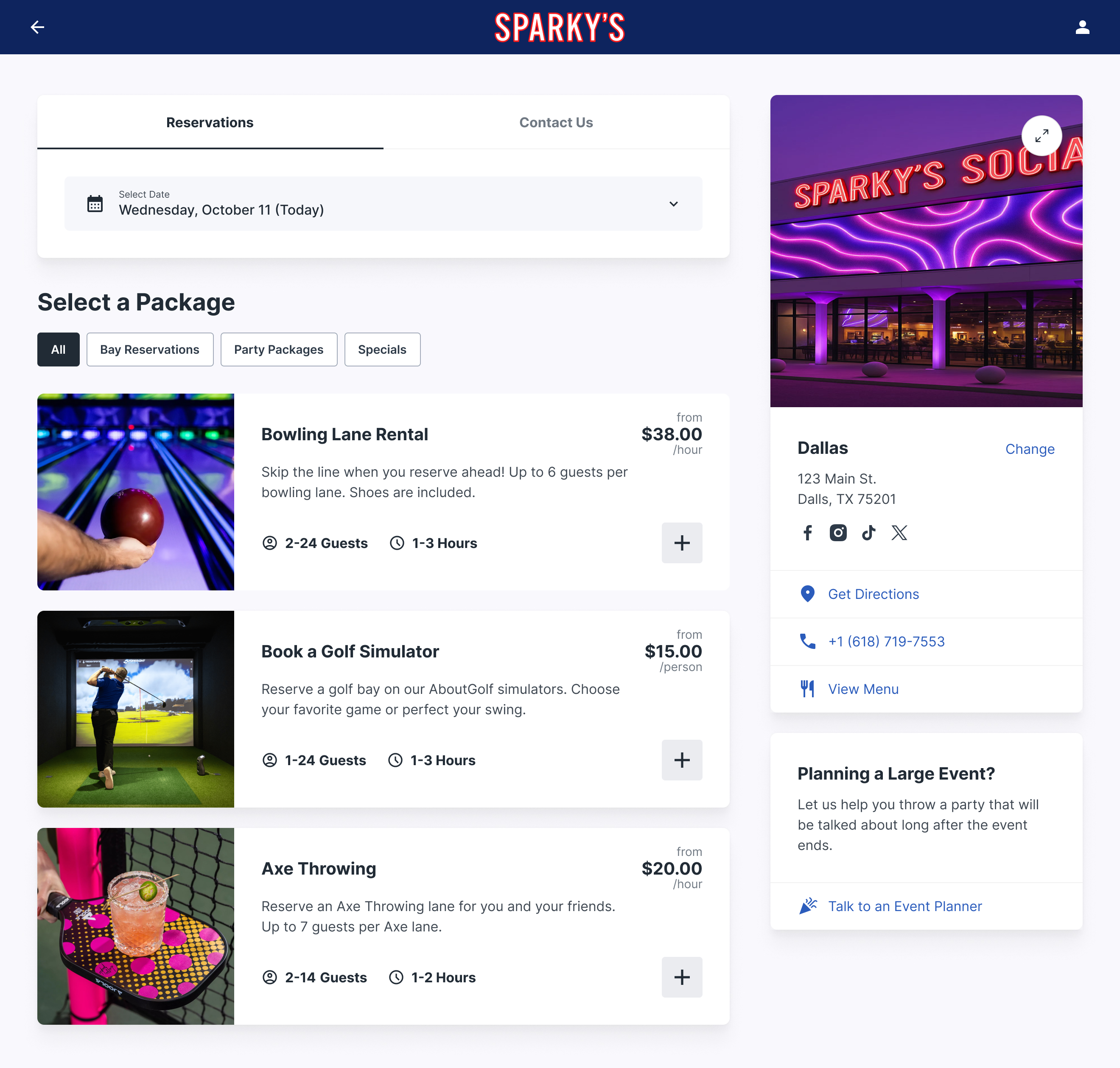
Your booking widget should load in under two seconds on mobile. Guests should be able to select an activity, pick a date and time, choose a package, and pay — all without creating an account. Show real-time availability so guests do not waste time on slots that are already booked. Enable deposits or full prepayment to reduce no-shows during your busiest weeks.
Your website is your highest-converting sales channel during summer. Every friction point in the booking flow costs you completed reservations. Run through your own booking process on your phone right now — if anything frustrates you, it is frustrating your guests too.
4. Staff Up Early and Cross-Train Your Team
The number one operational bottleneck during summer is staffing. Venues that wait until June to hire are already behind. The best seasonal candidates — college students, teachers on break, returning staff from last year — get snapped up in April and May.
Start hiring now:
Post summer positions by mid-April at the latest. Offer returning staff from last summer a small bonus for coming back — they already know your systems and require minimal training. Cross-train every team member on at least two roles. When your Friday night host calls in sick, you need a server who can step in without the whole operation grinding to a halt.
Cross-training also helps during mid-week slow periods. Instead of overstaffing every shift, you can run leaner crews where each person covers more ground. That flexibility directly impacts your labor cost percentage — the single largest controllable expense for most venues.
5. Maximize Food and Beverage Revenue Per Guest
Activity revenue has a ceiling — there are only so many lanes, bays, and courts. Food and beverage is where the real margin expansion happens during summer. Guests who are already in your venue, having a great time, are primed to spend more on food and drinks.
Tactics that move the needle:
Introduce a summer cocktail or mocktail menu — limited-time items create urgency and give guests something to share on social media. Add upsell prompts during the online booking flow: offer food and drink add-ons at checkout when guests are already in buying mode. Place QR code table ordering throughout your venue so guests can order from their lane, bay, or court without flagging down a server.
If you are not already using a food and beverage integration like GoTab, summer is the time to get it set up. Venues using integrated F&B ordering see 20–30% higher per-guest spend because they remove the friction between wanting a drink and actually ordering one.
6. Fill Your Calendar with Group Events and Parties
Birthday parties, corporate events, camp field trips, and league nights are your highest-value bookings. A single corporate event can generate more revenue than 20 individual walk-ins. Summer is peak season for all of these — but only if you actively sell them.
How to fill your event calendar:
Reach out to local summer camps and daycare programs in April and May with group pricing sheets. Create a dedicated party booking page on your website with packages, photos, and a simple inquiry form. Email your existing corporate clients from last year — a personal note reminding them you are booking summer team events goes a long way.
Make the booking process seamless. The easier you make it to book a party or event, the more you will book. That means online availability, instant confirmations, and deposit collection — not phone tag and PDF contracts.
7. Launch a Membership or Pass Program for Repeat Visits
Summer visitors are not just one-time customers — they are potential regulars. A well-designed membership or summer pass program converts a single visit into recurring revenue that extends well beyond Labor Day.
Options that work:
Offer a Summer Unlimited Pass with unlimited off-peak access for a flat monthly fee. This fills your slowest hours while generating predictable recurring revenue. Alternatively, create a punch-card style pass — buy 10 visits, get two free — that rewards frequency without committing guests to a subscription.
The real power of memberships is what happens after summer. Venues using membership programs report that 30–40% of summer members convert to year-round subscribers. That transforms a seasonal revenue spike into a permanent baseline increase.
Frequently Asked Questions
When should I start preparing for summer peak season?
Start in April — ideally six to eight weeks before Memorial Day. That gives you time to hire and train seasonal staff, update your pricing, build summer packages, and market them before the rush begins. Venues that wait until June are reacting instead of leading.
How much more revenue can I expect during summer compared to other seasons?
Most entertainment venues see a 30–60% revenue increase during summer months. Venues that implement dynamic pricing, optimized packages, and strong F&B programs can push that even higher. The exact number depends on your market, venue type, and how aggressively you prepare.
Should I raise prices across the board for summer?
Not across the board — use dynamic pricing instead. Raise prices during peak hours and weekends when demand justifies it, but keep off-peak pricing attractive to fill slower periods. This maximizes total revenue without alienating price-sensitive guests.
What is the biggest mistake venues make during summer?
Understaffing. High demand with insufficient staff leads to slow service, long waits, and bad reviews — which cost you more in the long run than the labor expense you were trying to save. Staff up early, cross-train your team, and plan for your busiest nights to run at 120% of what you think you need.
How do I keep summer customers coming back in the fall?
Capture their information during summer visits — email addresses at minimum, membership sign-ups ideally. Launch a fall loyalty program or back-to-school special that gives summer visitors a reason to return. The transition from summer to fall is where most venues lose momentum, so plan your September marketing now.
Make This Your Biggest Summer Yet
The venues that win summer are the ones that prepare for it. Rex gives you the tools to implement every strategy on this list — dynamic pricing, online booking, package management, event coordination, and membership programs — all from one platform built specifically for entertainment venues.
Ready to see how Rex can help you maximize summer revenue? Book a demo and we will walk you through exactly how to set up your venue for peak season success.